Elevating Gastronomy: How Traditional Elevated Gardens Drive Regenerative Signature Menus in the Colombian Pacific
The international luxury culinary sector is undergoing a profound structural evolution. Discerning global travelers and corporate partners no longer evaluate high-end gastronomy solely by aesthetic presentation or Michelin star recognition. Instead, they demand socio-environmental coherence—an active commitment to sourcing models that protect delicate biomes and foster community resilience. Within this context, the integration of ancient agricultural techniques into modern culinary arts has emerged as a powerful commercial asset.
Specifically, the ancestral system of azoteas—traditional elevated gardens developed by Afro-Colombian communities in the hyper-humid Pacific rainforest—presents a brilliant blueprint for constructing regenerative signature menus. By championing these climate-adaptive farming methods, luxury turoperators and culinary directors can deliver a remarkable impact return, transforming fine dining into a tangible mechanism for biodiversity preservation and cultural safeguarding.

Biocultural Coherence
The design framework that recognizes the conservation of endangered ecosystems as inseparable from the preservation of traditional knowledge systems, agricultural practices, and the economic sovereignty of local territorial partners.
Cultivating Above the Floodwaters: The Engineering of Azoteas
The Colombian Pacific coast is one of the wettest regions on Earth, characterized by high-volume rainfall, dense mangrove swamps, and regular tidal flooding. In these water-saturated soils, traditional ground-level agriculture is virtually impossible. To overcome this biophysical barrier, Afro-descendant communities engineered the azotea system: elevated wooden platforms or repurposed, soil-filled wooden canoes (canoas en desuso) raised on stilts.
This high-clearance design serves a dual purpose. It protects delicate crops from seasonal river surges and high tides while acting as a natural defense system against leaf-cutter ants (hormigas arrieras). The azotea stands as a masterclass in organic, climate-adaptive micro-farming, requiring zero ground-soil degradation and utilizing native, nutrient-dense organic soils to cultivate highly specialized flora.
Designing the Flavor Profile: Azotea Herbs as Culinary Identity
The true genius of the azotea lies in its highly specific botanical selection, which forms the aromatic spine of Colombian Pacific cuisine. The core crops cultivated on these raised platforms include:
Cilantro Cimarrón (Chillangua): A native, thick-leafed herb with a significantly more intense and earthy flavor profile than standard European cilantro.
Albahaca Morada (Purple Basil): A deeply fragrant, spiritually significant variety of basil that offers robust resistance to excessive humidity.
Poleo (Pennyroyal) and Orejón (Broad-leaf Orégano): Resilient herbs utilized to cut through the richness of seafood and supply depth to long-simmering broths.
Cebolla de Azotea: A localized, genetically distinct green onion variety adapted to high atmospheric humidity.
When sautéed slowly with native red achiote (bija) and long-onions, these fresh-cut herbs produce the refrito—the foundational flavor base for iconic regional dishes such as pusandao de bagre, encocaos, and tapao de pescado. For culinary artists designing regenerative signature menus, these ingredients offer an unparalleled sensory narrative: the authentic, complex flavor of a wild, water-regulated rainforest.
Securing Food Sovereignty: The Commercial Return of Conscious Gastronomy
For our B2B partners and high-net-worth clients, the commercial incorporation of azotea-grown herbs into luxury food programs is a direct investment in the region's living heritage. Currently, these traditional gardens are managed almost exclusively by local Afro-Colombian matronas (traditional female cooks and seed keepers), who serve as the guardians of local agro-ecological knowledge.
The introduction of cheap, highly processed industrial flavor enhancers—such as commercial bouillon cubes (caldos en cubo)—and the rising cost of importing vegetables from the Andean highlands present a direct threat to local food security and gastronomic identity.
By indexing guaranteed buying agreements for azotea herbs directly into the supply chains of high-end eco-lodges, boutique hotels, and regional corporate retreats, we actively counter these threats. This structural demand provides local territorial partners with stable, long-term economic independence, ensuring that traditional culinary knowledge is treated as a highly valued economic asset.
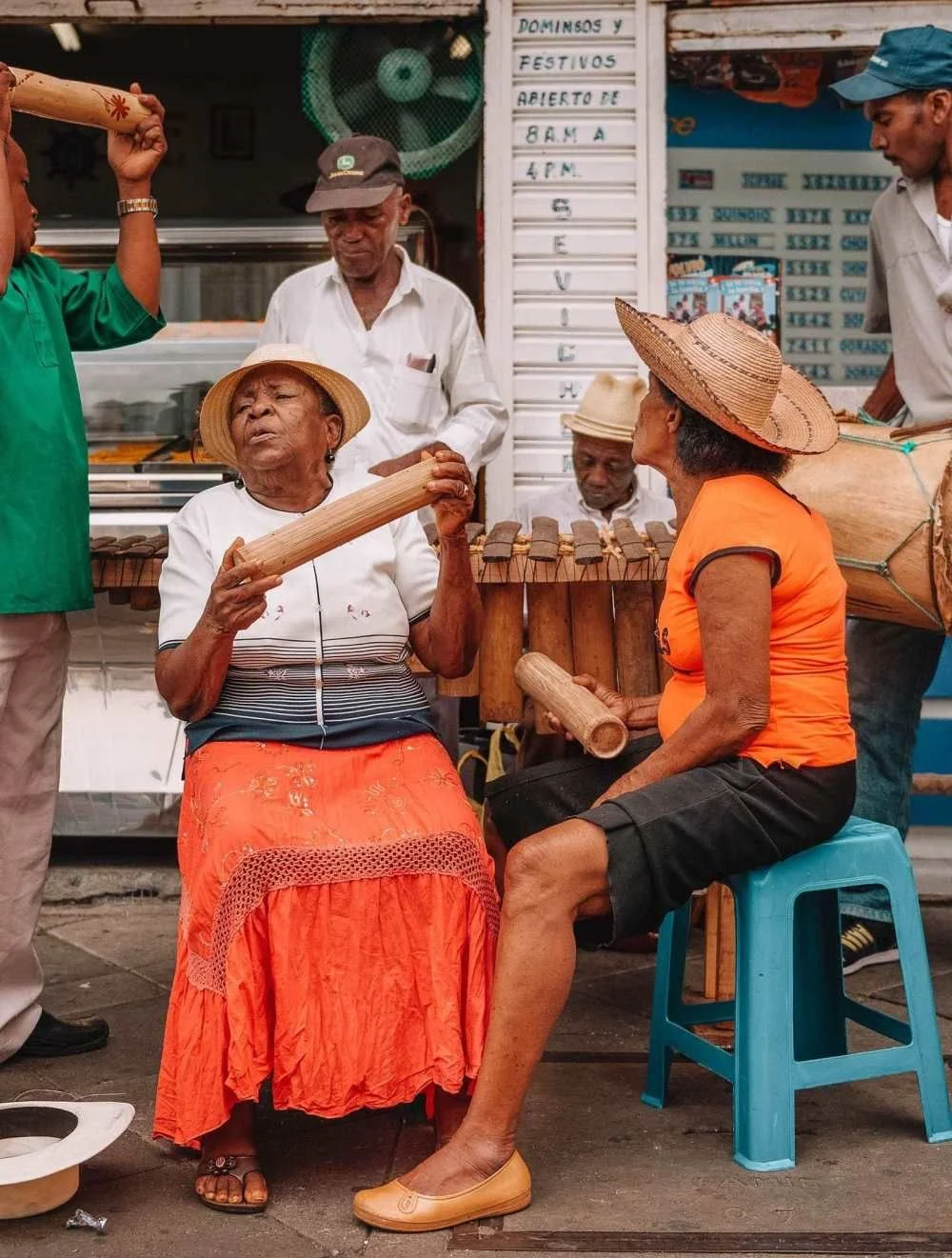
The Pacific Community Governance Benchmark
The annual Petronio Álvarez Pacific Music Festival serves as an international benchmark for how cultural preservation can scale commercially. During this celebration, the traditional gastronomy of the matronas—deeply rooted in the refritoand the utilization of azotea herbs—is showcased to global culinary directors and cultural travelers. This event demonstrates that when local communities maintain strict governance over their culinary assets, the economic returns are reinvested directly into safeguarding their territories, validating the commercial viability of our regenerative travel frameworks.
Conclusion
The azotea is far more than a rustic farming method; it is an elegant, scientifically proven framework of ecological adaptation and cultural resistance. By integrating these hyper-localized ingredients and ancestral cooking techniques into regenerative signature menus, NUNA SINSI's partners do not merely serve exceptional food—they actively finance the preservation of the Colombian Pacific’s biodiversity and support the economic self-determination of our territorial partners.
For International Turoperators, Culinary Developers, and Corporate Directors: Elevate your brand’s culinary offerings and fulfill your corporate ESG guidelines through genuine, community-led food systems. Partner with NUNA SINSI to integrate authentic Pacific culinary heritage and verified azotea sourcing frameworks into your next luxury corporate travel program or boutique hospitality development in Colombia. Contact our Chief Content Strategist today to co-create your culinary impact roadmap.
Bibliography
Hormizda Fonseca, C., Rey-Rodero, D., Restrepo, P., Moros, L., Vilardy, S., García, J., Mogollón Gómez, B., Parrado, A., ... & Pardo, L. (2024). Guía técnica para el diseño de proyectos de Pagos por Servicios Ambientales (PSA) en turismo de naturaleza. Ministerio de Ambiente y Desarrollo Sostenible, USAID, Universidad de los Andes.
Ministerio de Comercio, Industria y Turismo (MinCIT). (2020). Política de turismo sostenible: Unidos por la naturaleza. República de Colombia.
NUNA SINSI. (2025). Despensa de Colombia: Tesoros Culinarios de las Seis Regiones [App] [Artifact 1].
NUNA SINSI. (2025). Cronología y Evolución del Territorio Colombiano [Doc].
NUNA SINSI. (2025). Ingredientes de las Regiones de Colombia: Análisis de la Región Pacífica e Insular [Doc].
USAID, & ProColombia. (2021). Manual ilustrado para guías de turismo de naturaleza en Colombia: Contemplar, Comprender, Conservar. ProColombia.
